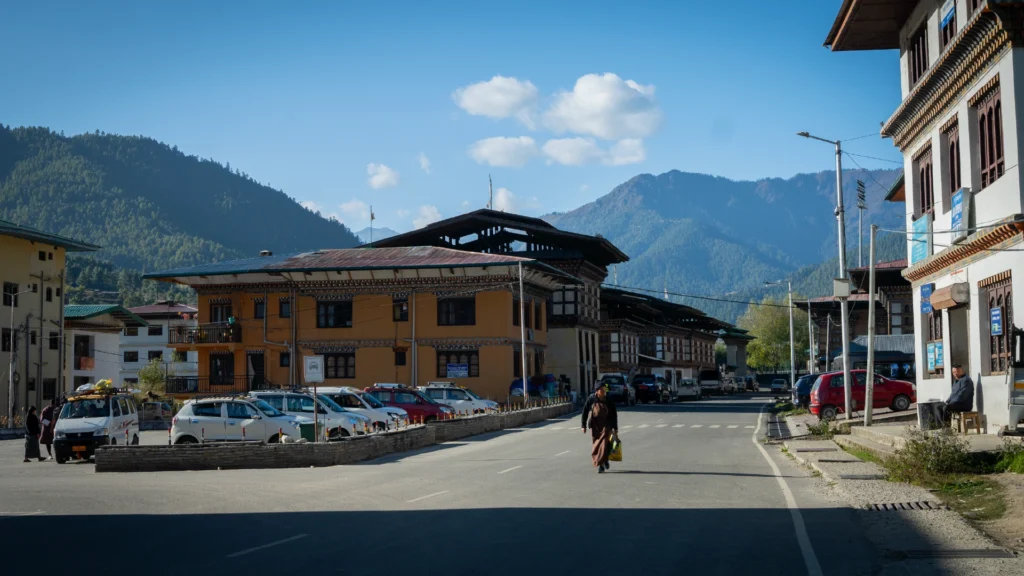
Haa Valley was the last of Bhutan’s districts to open to tourism and remains one of the more rural regions in western Bhutan. A visit offers a glimpse of a simpler Bhutan, with its traditional way of life and relatively untouched landscapes. Its lush pine forests provide the perfect setting for hiking along ancient trails, while its quiet villages offer an authentic glimpse into rural Bhutan.
The region is home to the hardworking Haaps, with some communities continuing the traditional practice of rearing yaks in the higher reaches of the valley. The Haa Summer Festival showcases their traditional way of life, local cuisine and culture. Be sure to try Hoentay, a traditional vegetarian dumpling closely associated with Haa. Visitors should also explore Lhakhang Karpo (White Temple) and Lhakhang Nagpo (Black Temple), two of the valley’s most revered sacred sites.
Haa may not have as many attractions as other destinations in Bhutan, but it is home to a hidden gem— the Haa Planters’ Trail, a peaceful route rarely visited by travellers. The three-day trek offers pristine landscapes, lush forests, mountain views, and an authentic glimpse into Bhutan’s rural countryside.
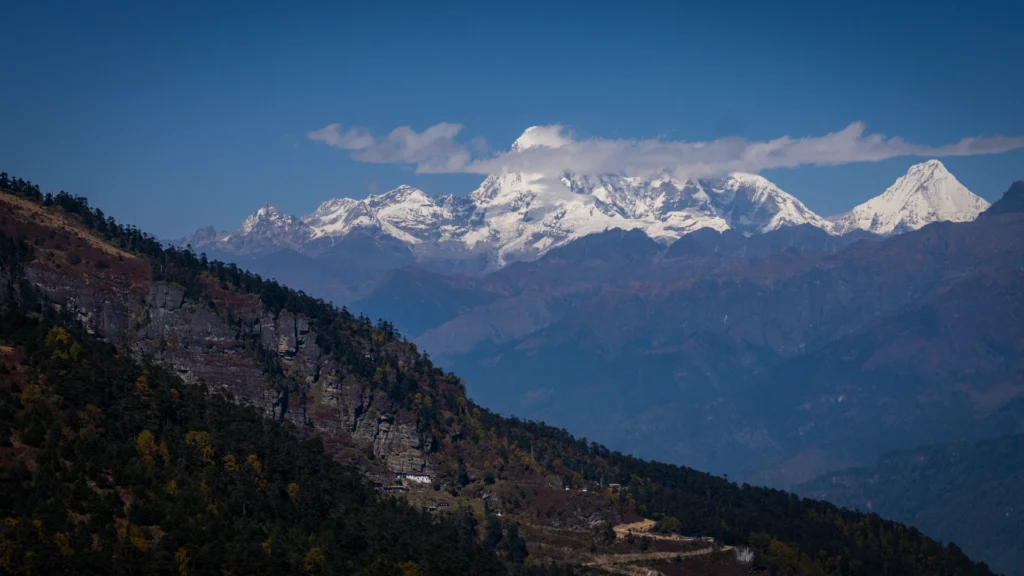
Following an ancient route once used by people travelling from Haa to Paro to help with rice cultivation, the trail takes its name from these traditional farming journeys. The trek begins in Haa and winds through beautiful forests, meadows, and remote settlements before reaching the high Sagala Pass, where breathtaking views stretch towards the Paro Valley, Mount Jomolhari, and the surrounding mountains.